25 December 2025
What does the project manager, who is the core of the creative team, see as the “flapper3-like” quality?
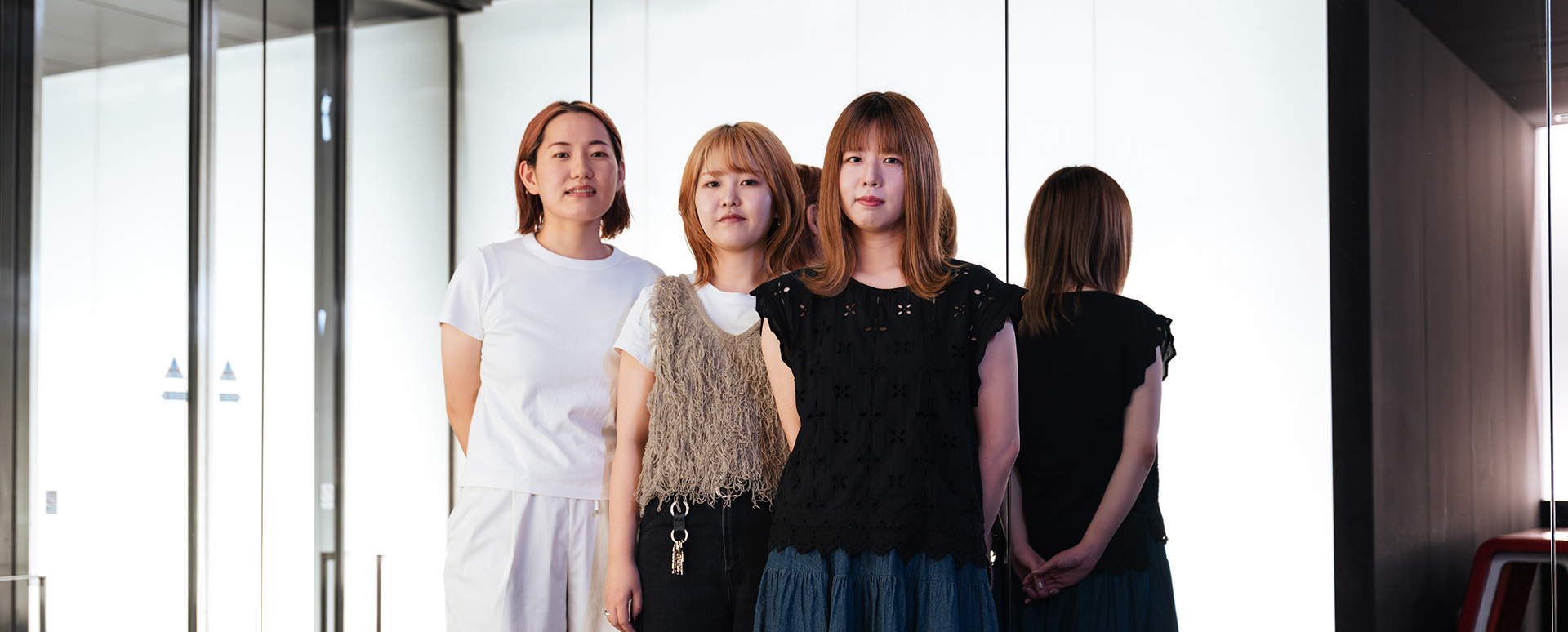
Flapper3 continues to take on all kinds of creative endeavors, unconstrained by genre or media, including video, space, music, and technology. Behind the scenes, project managers maintain the "center of gravity" of the project and smoothly move projects of different genres and methods forward. (Photo from left: Sakai, Funado, Kinoshita)
This time, three people working as PMs at flapper3 gathered together to talk about flapper3's unique approach to project management, memorable projects, and future goals.
Flat relationships and a sense of speed move the project forward
─Firstly, please tell us how you all got involved with flapper3.
Kinoshita: In my previous job, I worked on rights at a music publishing company. However, the company was a bit conservative. I found it difficult to make any extra suggestions, like "Let's do it this way." This frustrated me, so I joined flapper3, wanting to be involved in a creative environment where I could make better use of my skills.
At the time, flapper3 didn't even have a job title called PM, so I joined as a desk worker. Until then, each member was also working as a PM, but at the welcome party shortly after joining, people were sharing stories from the field. I blurted out, "It looks like you're having fun on the field," and before I knew it, my business card title had changed to PM... (laughs). Since then, as a PM, I've been in charge of a wide range of progress management and coordination for both internal and external projects.
Funato: Changing job titles may be a common occurrence at flapper3. I joined the company as a new graduate and am currently in charge of managing a wide range of projects, from live footage to movies, games, and government-related videos. I studied art production at art university, but I wanted to work in video production related to the live shows and music I've always loved, and that's how I came across flapper3. At first, I thought I'd only be involved in administrative aspects of projects, such as progress management and budget control, but flapper3 offered an environment where I could also try my hand at directing work related to the production itself. I was strongly attracted to this, and decided to join the company.
Sakai: I joined the company in April 2025. I am currently supporting Kinoshita-san and working on a variety of projects. In my previous job, I worked in the music industry, producing concerts and managing artists. During that time, I had the opportunity to think about directing live video footage, and I was inspired by The Chemical Brothers' live performances. This led me to become interested in the process of directing and producing videos, and I decided to join the company.
─As Funado-san mentioned, one of the biggest features of flapper3's PMs is that they are deeply involved in the field. What other aspects of working as a PM make you feel that "this is typical of flapper3"?
Sakai: I think it's the closeness between employees. My previous job was in a large organization, so it took a long time to confirm something, and I sometimes felt it was difficult to ask for advice. But at flapper3, producers and directors are right there. I can ask for advice right away, and I get a quick response. Also, the employees are all around the same age, so there's less of a gap in perception. I think that sense of speed and flat relationships are appealing.
Kinoshita: They say that the company itself isn't very good at taking a hierarchical stance, and that's actually true. I really feel that everyone is working together on the job site. It's a very flat relationship.
Funado: That's right. We're not "creators," but we do take suggestions and opinions seriously. I think that kind of atmosphere is what makes flapper3 unique.
Standing between clients and creators, connecting the field as a "translator"
─Once again, please tell us what role you play as the PM of flapper3.
Kinoshita: I don't think the scope of our work is much different from that of a typical PM. We create an environment that allows the project to proceed smoothly while interacting with everyone involved, including clients, in-house creators, and external musicians and designers. Our role is to support everyone so they can focus on their own areas of expertise without stress.
--It's a job that requires high-level communication skills. I imagine there are many difficult aspects, but what situations do you find particularly challenging?
Sakai: It can be difficult to communicate revision requests to creators. Sometimes we have to make revisions right before the deadline, so I'm always thinking about how to communicate so that the creators will be proactive.
Kinoshita: Most of the time, it's "corrections to improve the project," so I think it's important to thoroughly understand the client's intentions and communicate them to the creators. I still struggle with finding that balance every day.
─It's like a role as a translator.
Sakai: That's right. We carefully confirm the intention behind the revisions before sharing them with the creator. It's important to organize your requests and communicate them in the most optimal way, rather than simply conveying them.
Funato: I'm always conscious of the perspective of the audience who receives the work. When you're on set, you can't help but lean too much on the creator's preferences. So while I understand the intentions of the director and client, such as "this way of showing it is cool" or "this is more pleasant to watch," I try to be conscious of conveying it in a way that will best please the audience. Our job is to see the work from the perspective of someone other than a creator, and to bridge the gap between them.
A culture of mutual support across sections supports a wide range of projects
─Another point, speaking of difficulty, flapper3 handles a very wide range of projects. Live action, games, music, live performances, and so on - I imagine that a wide range of knowledge is required depending on the project. Is there anything you keep in mind when handling a project?
Funato: I know whether the visuals are good or bad, but I don't know the details of the technical aspects behind them. At those times, I just ask the creators. It's like, "I think we should do it this way, is it possible?"
Kinoshita: That's right. I think there are few situations where a PM can handle everything on their own. The tech team at flapper3 also has a strong desire to "take on new challenges," and you often see them consulting external experts if they don't understand something. We PMs do the same, and if there's something we don't understand, we consult with each section and move forward. I think the attitude of supporting each other is deeply rooted at flapper3.
-Is there any memorable story about this collaboration with flapper3?
Funato: They always keep an eye on those around them and take the initiative to try to do things outside of their own work. There are often times when work that we've asked an outside party to do doesn't go smoothly and we have to deal with it internally, but I think we have a team of members who cooperate without a single complaint.
Sakai: When I contacted everyone and said, "I'll be arriving at the office in an hour, so please help me unload the equipment," they all agreed to help. It may be a small thing, but I'm grateful for that kind of cooperation.
Kinoshita: In a typical production company, there is a tendency to draw a line and say, "This is the job of this section," but flapper3 has a flexible approach where anyone who can do it can do it. I would like to continue to cherish that culture. On the other hand, as the company grows in the future, I think we need to consider appropriate division of labor.
Three PMs look back on the most memorable projects
 Minori Chihara LIVE “Message”
-What is the most memorable project that you have been involved in so far?
Funato: One job that left a lasting impression on me was directing a live performance for voice actress and artist Chihara Minori. I was involved from the very beginning, proposing which songs to include video for. As for the performance, I also came up with ideas for motifs and presentations that suited the songs, and I was even able to propose some myself. There were some tough parts, such as working until the morning of the day, but that made the sense of accomplishment when I saw the excitement of the audience at the live performance that much greater. It remains in my memory as a project that I was able to be involved in from the direction side.
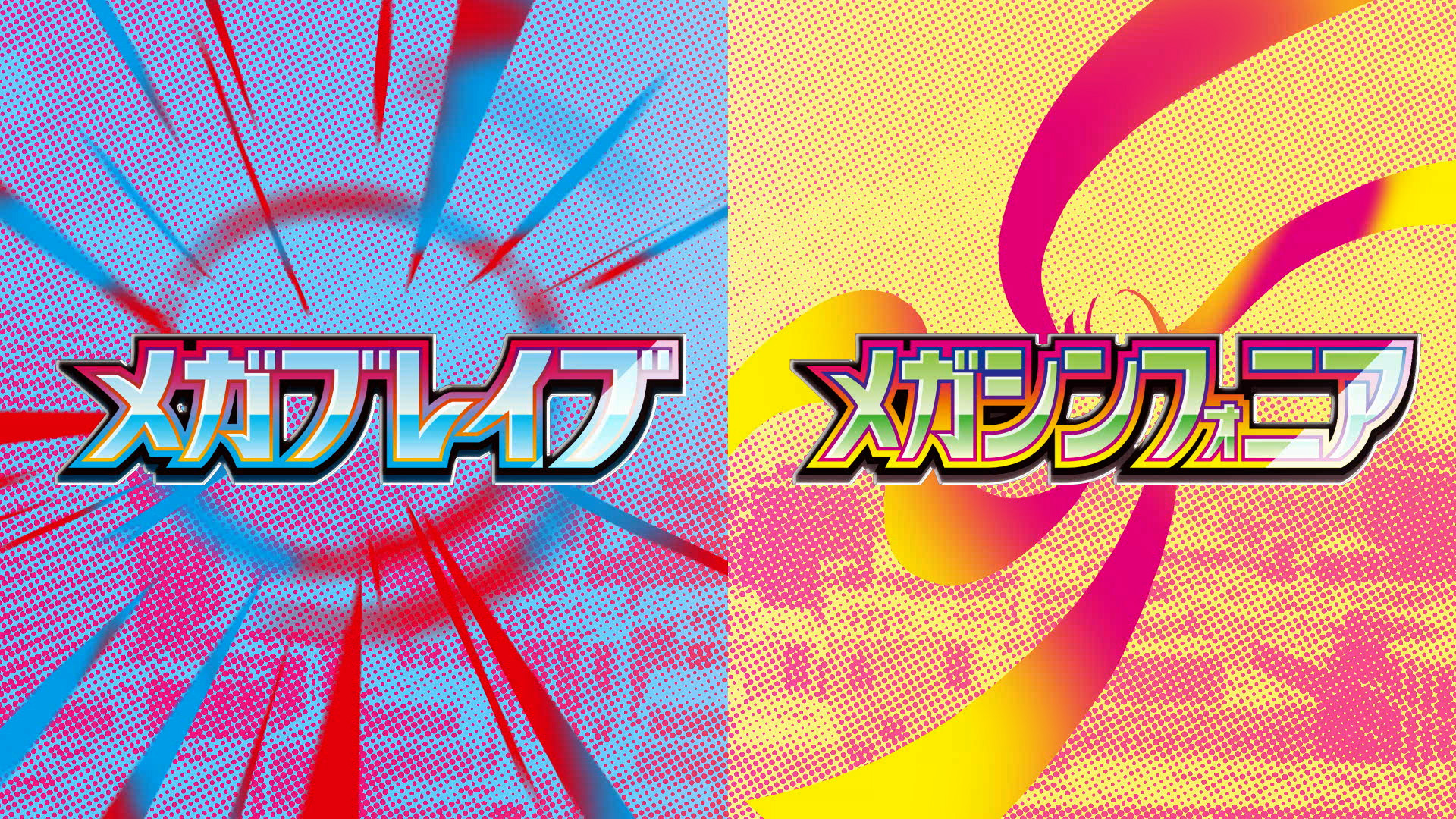
Sakai: I was recently hired as a support staff member for the promotional video for the Pokémon Trading Card Game expansion pack, and it left a lasting impression on me. This project involved a variety of elements related to video production, such as CG production, live-action filming, and online editing, so I learned a lot from it.
This PV was screened at a Pokémon game tournament, and it was a valuable experience to experience the cheers of the crowd in the venue when the video was played.
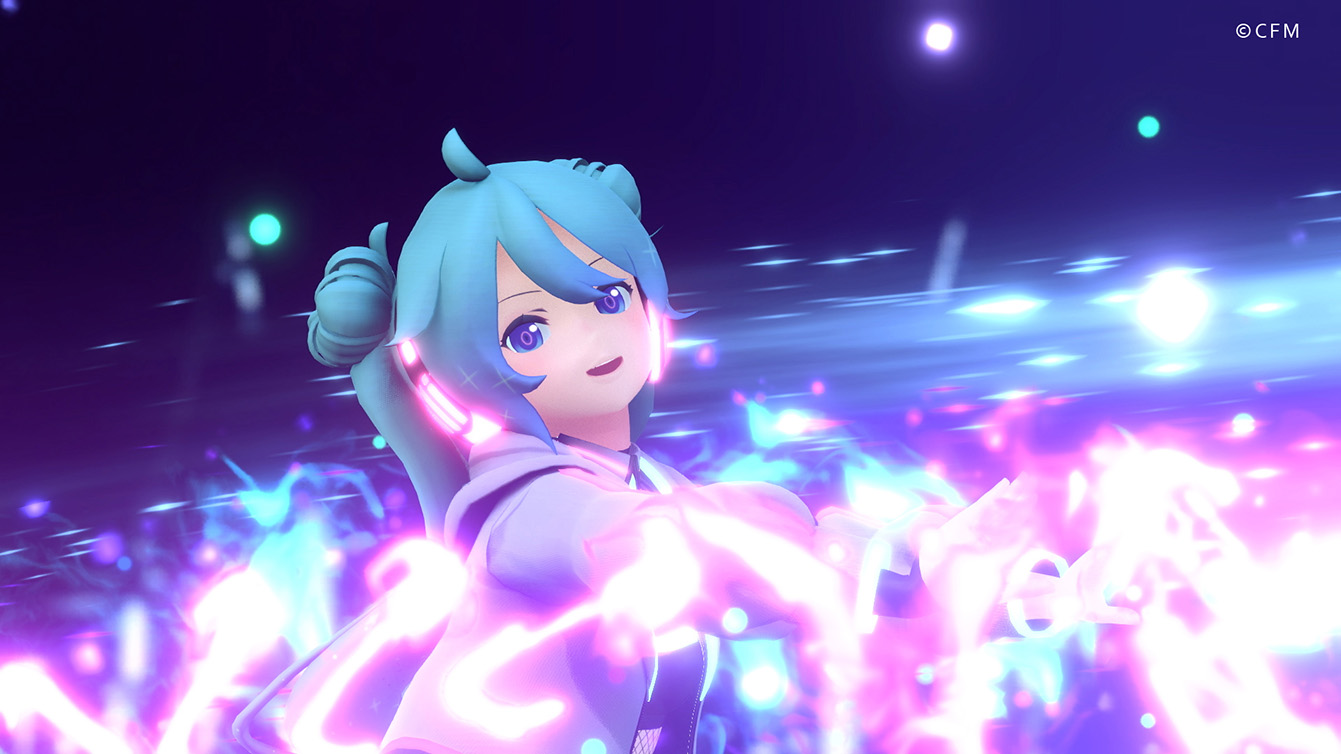
Kinoshita: One event I'll never forget is the Hatsune Miku AR Live "MIKU EXPO 2021 Online." It was a huge project that involved 80 to 90 percent of our employees, and almost everyone played some role in it, from the opening video and music video to adjusting costumes and models, and even system-related work. At the time, the work flow hadn't been established, so we were constantly trying to figure out how to proceed. I feel frustrated that I could manage it better now, and that's why it made such a lasting impression on me.
We attempted to feature virtual singers such as Hatsune Miku in live-action footage set against the backdrop of Sapporo city, but we encountered some unexpected problems on set... I remember that the people in charge of each section desperately searched for solutions and filmed through the night. At the time, we were doing our best to complete the tasks at hand, but I think we became more aware of the importance of organizing the situation, sharing information, and working together. It was a project that taught us a lot.
Gaining experience and becoming someone who goes beyond the role of PM
-Finally, please tell us about your goals, such as what skills you would like to develop in the future as a PM.
Kinoshita: I would like to increase my knowledge of software and technology so that I can better understand what kind of work creators do. This will help the overall progress of the project go more smoothly and allow me to make accurate decisions on-site. On the other hand, when it comes to PM skills such as project progress management, the number of projects inevitably matters. As I gain experience, I would like to go beyond the role of PM and expand my role on-site.
Funato: Like Kinoshita-san, I want to continue to take in new information and gain experience. As a PM, I'm still inexperienced and have a lot to learn, but I want to gradually expand what I can do while also honing my direction perspective.
Sakai: My ideal would be to become someone that people think, "This person is a great person to have around!" If they come to me when they want to do something, I'd like to be the "axis" that brings the team together, so that the project can move forward smoothly and enjoyably with the whole team. I think it would be great if I could be the "axis" that brings the team together, so that everyone can do their best and create something great!
MEMBER
INTERNAL
-
PROJECT MANAGER
NANA KINOSHITA
-
PROJECT MANAGER
Ryuko Funato
-
PROJECT MANAGER
MAI SAKAI
RELATED TOPICS
-
The intersection of music and video. The path of collaboration for the music video "The moment" - a conversation between no.9 and Yasuto Ishihama
-
What does the project manager, who is the core of the creative team, see as the “flapper3-like” quality?
-
Yugo Chiba leads the way in new possibilities for spatial design and regional revitalization